Blog Archive

Montessori Planner for Teachers and Parents

Finding a Montessori planner for teachers and parents that fits everyone's needs can be a challenge. The Ultimate Montessori Planner is the perfect solution! 

This Montessori planner is created to meet the needs of all teachers and parents, no matter class size or the skills and abilities of students.

It includes both Montessori preschool and elementary resources, including a section for children with disabilities.

The Ultimate Montessori Planner is designed to be used year after year. You fill in the dates. There is only a need to purchase it once, and then you have it for life.

What I love most about this planner is that you can use the aspects of it you love, and not worry about the rest.

I also love that the Ultimate Montessori Planner for teachers and parents can be printed out and taken anywhere with you. When I'm teaching, planning, and preparing, I always love to write down notes and ideas. 

This Montessori planner allows me to do that.

Montessori Planner for Teachers and Parents


Montessori Planner for Teachers and Parents


How Do I Put the Montessori Planner for Teachers and Parents Together?


When I use my Montessori planner, I print out the sheets I'll need for the week, month, and year, and put them in a binder using dividers

I love creating different sections in a logical order to help me stay organized and make sure things are easy to find. 


The Ultimate Montessori Planner


I also keep each page in a sheet protector to ensure it will stay clean and fresh when needed. Little hands are quick to touch and explore the binder while I'm using it.


The final result looks so appealing and really helps with my desire to plan.

In this post I am using the preschool version of printables included in the Ultimate Montessori Planner as that's the curriculum Sunshine is using right now. 

Unit Theme Planner for Montessori Teachers and Parents


Montessori Planner: Unit Planner


One of my favorite pages in the Ultimate Montessori Planner is the unit theme planner for Montessori teachers and parents. 


I usually print out three of these forms as I plan out the school year. The first is used as a rough draft, where I write down all the ideas that pop into my head. Then I organize my plans into a final copy with my final decisions.


I also keep another blank copy in the planner to write down ideas for the next year as I come across inspiration.


I love that this page is so colorful. Colors correspond with monthly planners included.


Monthly Montessori Planner for Teachers and Parents


Montessori Planner: Monthly Planner


The monthly planners for Montessori teachers and parents are my second favorite printables included in the Ultimate Montessori Planner.


There are so many aspects about these planners that I love.


Pages are reusable year after year, as you fill in the dates. If a month is particularly long, I just add the numbers to the next page, as I usually plan by week anyway.


Each month not only includes a calendar, but a planner by subject for the month. 


The colors of each month are so soothing and inviting.


When I use these pages, I print out multiple copies. I create a rough draft for the year and then a final copy.


I also keep a set in my binder to jot down notes for next year as the year goes along.


Field Trip Planner for Montessori Teachers and Parents


Montessori Planner: Field Trips


Outings are such an important part of Montessori education. They can be as simple as going for a nature walk or visiting a local aquarium. 


These pages help organize all of my thoughts and ideas, as well as help me finalize plans for each and every outing or field trip we go on.


Once I have all of the information on the event planner, I know I'm ready to share with kids and parents.


I love that the field trip planner for Montessori teachers and parents is color coded by month, just like the unit theme and monthly planners.


This planner can also be used to help children in Montessori elementary classrooms plan their own outings.


Unit Theme Subject Planner for Montessori Teachers and Parents


Montessori Planner: Unit Plans


When it comes to planning out units, I always love to see an overview of each subject area all in one place to know and understand how it fits together. 


In the home environment, I usually only have four activities per subject at most with each unit. 


This page is also helpful to teachers, as a lot of the work on the shelves remains the same throughout the year, but then it's fun to rotate out some work with each new theme you introduce.


For teachers who rotate out more than four work activities at a time per subject, there is another version of this printable available that allow for a list of 20 activities per subject.


Source: I created this printable and the other version as part of the Ultimate Montessori Planner Freebie. This is a Subscriber's Only Freebie. For your free copy, follow the directions at the bottom of the post.


Lesson Planner for Montessori Teachers and Students


Montessori Planner: Lesson Planner


This version of the lesson planner I use for planning out traditional Montessori lessons with Montessori materials, which is separate from unit theme related work.


Using the lesson planner for Montessori teachers and parents helps me organize when and how many materials and printables I need to pull out of storage, which is really helpful for me.


The great thing about this printable is that it is completely versatile for the needs of teachers and parents. It can be used to plan out which lessons in each subject are going to be presented over a specific period of time, etc.


Three Period Lesson Notes for Montessori Teachers and Parents


Montessori Planner: Three Period Lesson


I find the three period lesson notes for Montessori teachers and parents to be such an incredible resource to chart kids' progress with lessons and materials. 

I usually keep as many of these sheets in my planner as I will need in the moment for each child I'm working with, specific to the lessons I will be presenting over a certain amount of time (usually related to a subject topic or unit theme).

When I'm finished with each sheet, I transfer them to a binder for each child, so I have documentation of what they have accomplished and how long it took. This is great documentation to have on hand for schools, parents, etc.

What I like about these sheets is that I can carry them in my binder as I'm working with children in the classroom and write down notes as I go, so I don't forget.

Book List Form for Montessori Teachers and Parents


Montessori Planner: Reading List


With each new subject topic, unit theme, season, or holiday, I find myself introducing about ten new books. 


I realized that I did not have a space in the Montessori planner to write down books I stumbled upon that I loved, or a place to record which books we actually read.


The book list form is my solution to this problem. It is so helpful, especially when it comes to books I check out at the library or find on Amazon.


I'm able to research books ahead of time, writing down the ones I like, and then make sure I have them all ready to go when it's time.


I love that I can keep these lists from year to year, especially when I repeat subject topics, unit themes, seasonal and holiday work.


Source: I created this printable as part of the Ultimate Montessori Planner Freebie. This is a Subscriber's Only Freebie. For your free copy, follow the directions at the bottom of the post.


Snack Planner for Montessori Teachers and Planners


Montessori Planner: Snack Planner


This snack planner for Montessori teachers and parents is perfect for planning out snack time and practical life related work in the classroom.

I also love it to keep track of ideas I come across on Pinterest for when I create a specific themed unit study or subject topic curriculum.

The snack planner also comes with a section to write down a grocery list. 

Whether you choose to cut this out and actually use it, or keep it in the binder so you have it for years to come, knowing exactly what you need is completely up to you.

I write down the list and then take a picture of it with my phone to use at the store when I'm picking up supplies. This way I keep the list from year to year.

Food Preparation Forms for Montessori Teachers and Parents


Montessori Planner: Food Preparation

This food preparation form for Montessori teachers and parents is all about preparing the environment, helping your organize every step of the process. 

I love to use it before I'm executing a larger food preparation activity in the classroom, so I know I'm prepared and ready to go, having thought of everything necessary to help the project be successful.

The form helps me know exactly who's doing what, especially if I have another adult helping with the process.

Usually I keep copy of the actual recipe in the sheet protector as well, to store for years to come. The ingredients and recipe section of the form I use to map out who's doing what while preparing the food.

Subject Goal Forms for Montessori Teachers and Parents


Montessori Planner: Subject Goals


These Montessori subject goal forms are so versatile depending on the needs of your classroom. 


When I'm just working with one student, I fill out goals, review them often, and record when the student has accomplished the goal. Once a sheet is filled up, I transfer it to the child's binder, documenting what's been accomplished.


When working with my older kids, I let them set goals for themselves and document when they accomplish them.


These forms can also be used to keep track of goals involving the entire class. The sky is really the limit. 


I've found goal setting to be so incredibly important. It helps teachers focus on following and respecting the child. Goals also help with intrinsic learning habits.


Weekly Observations Form for Montessori Teachers and Parents


Montessori Planner: Weekly Observations


At the end of each day, I love to pause and write down observations I've made. Sometimes I do this immediately after a period of observation is over, so I don't forget things. Other times I can just go through each child at the end of the day and remember.


I love that this sheet helps me remember to pause and observe which is so incredibly important!


Reflections Form for Montessori Teachers and Parents


Montessori Planner: Reflections

The reflections form in the Ultimate Montessori Planner for teachers and parents is designed for teachers to use every day, weekly, or monthly as a check in for themselves and how things are going in the classroom. 

I love that this form prompts me to take an overview of how things are going, what I can improve, what questions I want to research, and where I'm at in discovery of myself as a Montessori teacher.

Reading Log for Montessori Teachers and Parents


Montessori Planner: Reading Log

 As a Montessori teacher, whether to our own children or in the classroom to many children, we should always be reading about Montessori. The inspiration that comes from continually reading Montessori books is so incredibly important.


This part of the planner is dedicated to you writing down the Montessori books you're reading.


These forms can also be used for children in the Montessori elementary classroom to record books they're  reading and how long it takes each of them.


Once again, this Ultimate Montessori Planner is so incredibly versatile.


Study Notes Form for Montessori Teachers and Parents


Montessori Planner: Study Notes


The study notes form for Montessori teachers and parents goes along with the reading log. It can be used for teachers or students.

What I like about these forms is that they can be used for each page, chapter, section, or book in entirety.  It really depends on your preference.

You have now seen all that I include in my Ultimate Montessori Planner binder when working with Sunshine at the preschool level. Everyone's planner will look different.

For a complete list of all that the Ultimate Montessori Planner includes, be sure to check out the table of contents below.

The Ultimate Montessori Planner Table of Contents

  • Montessori Preschool Monthly Planner
  • Montessori Elementary Monthly Planner
  • Unit Theme Planner
  • Monthly Field Trip Planner
  • Event Planner Sheet
  • Preschool Lesson Planner Part 1
  • Preschool Lesson Planner Part 2
  • Elementary Lesson Planner Part 1
  • Elementary Lesson Planner Part 2
  • Language Goals Sheet
  • Math Goals Sheet
  • Science Goals Sheet
  • Geography Goals Sheet
  • Practical Life Goals Sheet
  • Sensorial Goals Sheet
  • Music Goals Sheet
  • Art Goals Sheet
  • Grace & Courtesy Goals Sheet
  • Movement Goals Sheet
  • Geometry Goals Sheet
  • History Goals Sheet
  • Three Period Lesson Notes
  • Weekly Observations
  • Reflections
  • Reading Log
  • Study Notes
  • Teacher Preparation
  • Food Preparation
  • Snack Planner
  • Meal Planner
  • Favorite Online Resources
  • Behavioral Incident Report
  • Therapy Notes
  • Mental Health Notes
  • Physical Therapy Goals
  • Speech Therapy Goals
  • Occupational Therapy Goals
  • Mental Health Goals
  • Therapy Goals


Some of the pages included in this post come from the Ultimate Montessori Planner Freebie as bonuses you can add to the original product.


Ultimate Montessori Planner Freebie


The Ultimate Montessori Planner Freebie

The Ultimate Montessori Planner Freebie includes the following pages to add to your original planner. You have seen examples of the Book List and Unit Study Subject Planner Option 1. Below is the table of contents for the entire bonus freebie.

Ultimate Montessori Planner Freebie Table of Contents

  • Book List
  • Unit Study Subject Planner Option 1
  • Unit Study Subject Planner Option 2
  • Shelf Map Option 1
  • Shelf Map Option 2
  • Shelf Map Option 3

Don't forget to follow the directions below to receive the Subscriber's Only Freebie.


And if you don't own the Ultimate Montessori Planner, be sure to grab your copy today!


Directions on How to Obtain Subscriber Only Freebies

1. Click on the Subscriber's link at the bottom of this post.

2. Subscribe to our free newsletter.

3. Open the thank you message you receive in your e-mail, after subscribing. (Be sure to check your spam folder, as sometimes it ends up there.)

4. Click the confirmation link in the thank you message.

5. Once the confirmation is complete, you will receive another e-mail message with the Subscriber Only Freebies.

6. Click on link.

7. Find the printable pack you are looking for listed in alphabetical order, click on it, and voila!

We hope you enjoy your free printable.

Note: If you are already a newsletter subscriber, open your most recent newsletter. At the bottom you will find a link to the Subscriber Only Freebies page, along with the password in case you forgot it.


If you enjoyed this post, you may like the resources below.


Montessori Three Period Lesson Visual Prompt Montessori Daily Task Checklist The Montessori Peace Corner The Montessori Silence Game Montessori Sensorial Materials: Number Rods and Red Rods Montessori Sensorial Materials: Pink Tower and Brown Stair

Montessori Planner for Teachers and Parents


Read More »

RAD Treatment for Children

Reactive Attachment Disorder or RAD Treatment for Children is not something that takes place over a few weeks, few months, or even a few years. RAD Treatment takes decades and sometimes a lifetime.

There are no medications that magically make things go away or help with Reactive Attachment Disorder.

As devastating as this all sounds, there is hope. 

The correct RAD treatment can bring about healing. 

RAD treatment doesn't come in the forms one would think. 

In our experience the most successful RAD treatment comes from caregivers, not professionals. 

Professionals have a very specific role in treatment, but most often, it's not what you think.


RAD Treatment for Kids


I am the mother of two daughters adopted from foster-care with Reactive Attachment Disorder. My husband is a retired licensed mental health therapist.

Our oldest daughter, Princess, is thirteen and on the path to healing from RAD, thriving at home. She still struggles outside of the home in big ways, but she's working on that.

Sunshine, our younger daughter, age 11, has spent almost three years divided among four residential placements due to homicidal tendencies and behaviors towards family members. She has a long documented history of violence and aggression towards others. 

Residential treatment centers she attended were considered the highest level of care available, because of the severity of her behaviors.

Currently, Sunshine resides at home and works hard to stay safe with her family every day. 

Our longest stretch of no aggression is 34 days. 

Over the years we have tested and tried everything we can possibly think of to treat Reactive Attachment Disorder. Here's what we've found works best!


Reactive Attachment Disorder or RAD Treatment for Children


Forget about Normal and Lower Expectations


A child with Reactive Attachment Disorder is emotionally delayed in big ways. She may also be developmentally and cognitively delayed. 

It is rare that a child only has a diagnosis of Reactive Attachment Disorder. The diagnosis of RAD usually comes with other diagnoses that can include: fetal alcohol syndrome, drug exposure in the womb, PTSD, ADHD, an anxiety disorder, mood disorders, intellectual impairments, autism and more.

Sunshine is developmentally between the ages of three and six years old, despite being eleven years old. Her behaviors are very much like a toddler's, except that she is much bigger and stronger.

Princess is emotionally about ten years old, despite being thirteen years of age.

Nothing about the girls' behaviors are age appropriate. 

When caregivers can adjust expectations to meet emotional, developmental, and cognitive ages, healing can occur.

Keep your RAD Child's World Small


A child with Reactive Attachment Disorder is literally scared of every person and situation in the world around them. Each new experience brings fear followed by the fight, flight or freeze response. 

Attaching to family members is the first goal.

From there, safe and healthy interactions with others come one baby step at a time, usually over a VERY long period of time.

Pushing social situations of any kind before a RAD child is ready can lead to catastrophe.

Keeping a RAD child's world small helps with healing.

Show Unconditional Love


A child with Reactive Attachment Disorder is going to test the limits of a caregiver's love beyond what you may have ever experienced before.

The push pull between caregiver and RAD child is very real.

Manipulation, passive aggression, lying, stealing, sexually acting out, hoarding, gorging, starving, destruction of property, screaming, and violence... It is all very real.

Healing can only occur when the caregiver is able to love unconditionally despite the extreme behaviors. 

Be Consistent with Boundaries


A typical child may need to test a boundary three to ten times to see if it remains the same. A child with Reactive Attachment Disorder tends to test each and every boundary about one thousand times before she believes that it's real and will remain the same.

A lack of consistency in boundaries leads to a lack of trust from the RAD child. This lack of trust leads to very unsafe behaviors.

Consistency from caregivers helps rewire the brain, though this process is NOT easy.

With every boundary set, there will most likely be backlash. Though it doesn't look like it or feel like it, this is healing.

Give Natural and Logical Consequences


Parenting a child with Reactive Attachment Disorder is completely backwards and upside down. Giving consequences to behaviors is extremely challenging as we've discussed in a previous post 

RAD: Behaviors and Consequences


When all else fails, and you feel completely overwhelmed, frustrated, and ready to give up, stick to natural and logical consequences. This is how the real world works.

Is your RAD child still going to fight you on these consequences? Most likely yes. Does that mean it is wrong to follow through on consequences? No.

Healing comes from understanding how the real world works. Learning this at home is extremely important.

Be a Drill Sergeant


Let me clear up what "be a drill sergeant" means. 

It DOES means being firm, sure, confident, and direct in all that you say and do, even when you don't feel it. 

It does NOT mean yelling, swearing, or torturing your child at any time or in any way.

A RAD child knows what to expect when you are sure, confident, and direct. She can trust that.

When you are not sure, confident, and direct, the child with Reactive Attachment Disorder starts to feel unsafe, because she doesn't know what to expect from you. She can't believe you can keep her safe.

Being a drill sergeant is exhausting. It is not fun. But...

A confident, sure, and direct caregiver brings about healing.

Promote Independence


A child with Reactive Attachment Disorder does not trust that her caregiver can and will take care of her based on previous trauma. 

Depending on the type of Reactive Attachment Disorder you're encountering, the child may not want you to do anything for her. Or she may want you to do everything for her or with her. (I have one of each.)

In both scenarios, the best way to approach the situation is to teach independence one step at a time. When a RAD child can trust that she can and will take care of herself, she's more likely to trust that someone else can to.

Promoting independence brings about healing in such huge ways.

Use the Montessori at Home


Maria Montessori began her career as an educator working with children in an asylum and inner city settings. Many of these children had Reactive Attachment Disorder. 

Not only did she find a way to reach them, but she found a way to teach them, so they became equal to typical peers on academic tests.

The Montessori Method is not just an educational approach. It is a way of life that can be taught and embraced in the home, outside of the educational setting.

In all the ways that you can, try to create a Montessori environment in your home.  Montessori encourages healing. Maria Montessori was such a brilliant educator and doctor who knew how to reach our children.

If you're looking for a place to start, be sure to check out the book below.

How to Raise An Amazing Child the Montessori Way

How to Raise An Amazing Child the Montessori Way


Please be aware that enrolling your child in a Montessori school with neurotypical peers, may not be a good fit socially. Montessori classrooms can have over thirty children in the classroom, are very busy, and can be quite loud. Take into consideration the individual needs of your RAD child, before enrolling.

Homeschooling a child using the Montessori Method can be quite successful. For us it has been the ultimate attachment experience.

Montessori has lead to so much healing for our two girls with Reactive Attachment Disorder.

Observe the Child


So often in today's society, there is a push to raise children to become what we want them to be or what we think they should be. 

In reality, we should be observing them, and helping them become who they want and are able to be.

This process starts by observing your RAD child. Take the time to just watch your child play and interact with others. If you observe unsafe behaviors, address them and return to observation, pondering about what you've just seen.

Through observation we can learn our RAD child's strengths, weaknesses, interests, passions, and so much more.

We can understand the "why" behind behaviors.

Observing a RAD child instead of fully engaging with them can often be safer for the caregiver. It allows the child to feel safe and in charge.

Once you start observing your RAD child on a regular basis, you will be able to better understand what helps your child feel safe, which then leads to healing.


Follow the Child


In as many ways that are possible, it's so incredibly important to follow a RAD child's lead, rather than leading your RAD child.

Leading the way often comes with tremendous defiance, and at times aggression. It is so incredibly important to pick your battles.

Let your RAD child lead in picking out clothing, so long as the clothes are appropriate.

Let your RAD child lead in play, so long as it is safe.

Let your RAD child lead in showing affection, so long as it is safe.

Let your RAD child lead in interests and hobbies, so long as they are safe.

As a child develops an understanding of who she is, trusting that it's okay to be who she wants to be, and you support that, she will feel safer with you, which leads to healing and attachment.

Respect the Child


A child with Reactive Attachment Disorder deserves to be respected, just like every other human being on the planet, even when she is not respecting others. 

The only way to teach respect is through modeling. It may take years or even decades, but eventually a RAD child can learn to respect others.

Respecting a child means honoring their personal boundaries.

It means asking for their input in decision making scenarios.

As you respect your child, she can learn to respect herself. When she can respect herself, healing can occur.

Understand the 8 Senses


Each of us are born with sensory systems and sensory preferences. Trauma can affect sensory systems and preferences in big ways. Meeting sensory needs is a way to help your RAD child stay safe, especially if they have sensory seeking behaviors.

Become familiar with the 8 senses. 

  • Tactile (Touch)
  • Visual (Sight)
  • Auditory (Hearing)
  • Olfactory (Smell)
  • Gustatory (Taste)
  • Vestibular (Balance and Sense of Movement)
  • Proprioceptive (Muscle and Joints)
  • Interoception (Physiological and Physical Conditions of the Body)

Observe your RAD child. What preferences does she have? What sensory stimuli does she dislike and avoid?

How can you help your RAD child meet her sensory needs in safe ways? Most often, when sensory needs are met, unsafe behaviors diminish.

Meeting sensory needs can lead to healing as a RAD child learns how to self-sooth and understand what her body needs.

Teach Emotional Regulation


A child with Reactive Attachment Disorder has learned not to feel emotions in order to stay safe. Unfortunately when anyone decides not to feel emotions, there's a build up and then an explosion. This is often the case with a RAD child.

When a child does all she can not to feel emotions, she needs to learn to identify emotions, understand what each emotion feels like, and learn how to feel each emotion safely.

In our home, we teach emotional regulation using a chart. You can read about it all below.

How to Create and Use an Emotional Regulation Chart for Kids

How to Create and Use an Emotional Regulation Chart for Kids


The development of emotional regulation skills does wonders for the healing process.

Be Present


In order for attachment to occur, the caregiver and RAD child need to be present with each other as often as possible.

My husband and I made the choice a long time ago to both remain in the home until both of our girls with Reactive Attachment Disorder were at least five years of age. It was a privilege to be able to do this.

In order for Sunshine to remain in the home currently, both parents work from home. Again, this is a privilege we are very much aware of.

Not everyone can do as we have done, and that's perfectly okay. The more time you can be present with your RAD child, the greater the chance there is for healing and attachment.

When two caregivers are able to be present at all times, it benefits both caregivers and the RAD child.

Don't Be Afraid


Behaviors associated with Reactive Attachment Disorder are scary and dangerous. When you add a lack of empathy to behaviors, it makes complete sense to panic.

Utilize safety plans. Don't hesitate on follow through.

Be consistent with boundaries.

Understand that just a part of your child's brain feels the way it does, not all of it.

Most importantly, understand that it's not the child's fault the she has RAD.

Make sure your RAD child knows that you are not afraid of her. Fear only leads to more behaviors.

Healing comes from hope, security, and safety, which you can provide in one form or another.


Attempt Internal Family Systems Therapy


Out of all the therapies we have attempted and tried with our RAD children, Internal Family Systems or IFS has worked best.

When both caregivers and RAD child are participating in IFS Therapy willingly, with a desire to heal and attach, it can work wonders.

For more information about IFS, be sure to check out the post below.

When Traditional Mental Health Therapy Doesn't Work

When Traditional Mental Health Therapy Doesn't Work


Our family has benefited so much from Internal Family Systems Therapy. I can't say enough about how wonderful the experience has been.

Utilize Professionals When Necessary


It is rare that professionals can help in the ways that you would like, when it comes to RAD treatment. 

Children with Reactive Attachment Disorder display "artificial charm" when around others.

Often times RAD children lie and manipulate professionals, resulting in families being torn apart. 

The choice to utilize professionals needs to be made carefully.

Even when the choice to utilize professionals is made, the choice doesn't mean help will come. You can read about the reasons why in the post below.

The Realities of Reactive Attachment Disorder and Mental Health Therapists

The Realities of Reactive Attachment Disorder and Mental Health Therapy


When raising a child with Reactive Attachment Disorder, professional help is all about documentation and safety.

Caregivers need documentation that they've tried everything they possibly can and nothing is working.

Caregivers need documentation to prove that they're not the problem.

Caregivers need documentation to receive the help that their RAD child and family needs in order to be safe.

Outpatient one-to-one therapy is the most dangerous form of therapy, if the parent is not permitted to be present during sessions. It is also the least effective, as RAD is all about attachment to family.

However, outpatient one-to-one therapy is the first step to receiving help through the mental health system. If no therapist is seeing your child, you may be denied other necessary services.

Intensive in-home therapy can be helpful because you are working with your child, in your home, with a therapist. 

This means that the therapist sees first hand what goes on at home and provides documentation that you are in fact doing your part, even if the child isn't.

At first your child may exhibit "artificial charm." But the longer the therapist is in the home, the less "artificial charm" will shine through.

Intensive in-home therapists are called in when there's a risk of placement outside of the home. 

Psychiatric hospitalizations can be helpful short term if your child becomes a danger to herself or others. 

The documentation from a psychiatric hospitalization is priceless, especially when seeking further treatment. 

This does not mean all will go well in the psychiatric hospital. Meds may be introduced, changed, or taken away. 

Your RAD child will not be taken care of the way you take care of her at home, and you have no say in that.

There is a chance your RAD child comes home worse off than when she went into a psychiatric hospital.

But, while your RAD child is receiving treatment, you have a break. You are safe. You can take care of you.

Many children with Reactive Attachment Disorder end up in residential treatment centers. Sometimes this is temporary. Other times this arrangement becomes permanent for the safety of the family.

If you are wondering if you are at the point that you need to consider residential treatment, be sure to check out the post below.

When Do I Consider Residential Treatment for My Child

When Do I Consider Residential Treatment for My Child?


Residential treatment most likely will not help your child heal. It is rare that it is successful. 

A residential placement is about keeping family members safe from the RAD child. 


Conclusion

The most important thing for every caregiver to understand is that RAD Treatment will NOT work unless the child is at a point where she is ready to take steps towards healing.

Until that time, residential placement may be necessary. It just depends on the severity of the behaviors.

We are very fortunate that both of our girls have a desire to be home with our family. They are working on attachment and healing from the trauma they have experienced before coming to our family and in residential.

For other children, the process of developing a desire to heal may not occur until early adulthood and beyond.

When considering any RAD treatment, safety must always be the top priority for all involved.

If you enjoyed this post, you may also like the resources below.

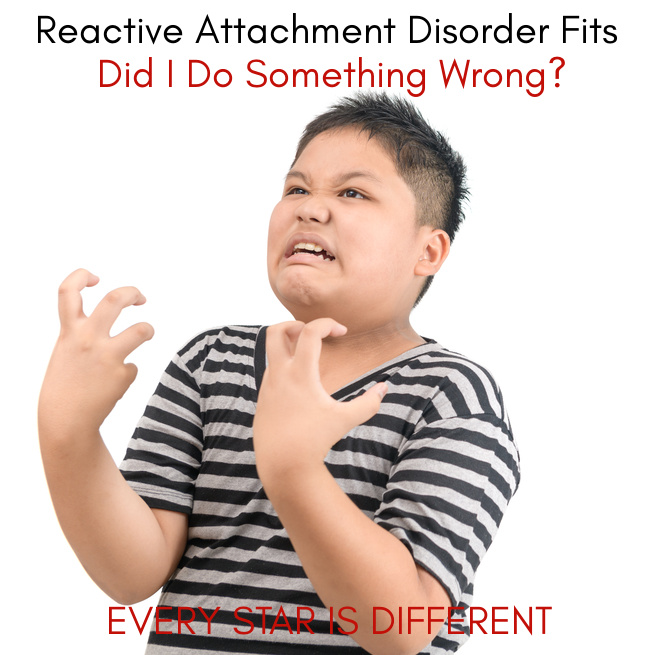
Reactive Attachment Disorder Fits: Did I Do Something Wrong? I Hate My RAD Child Internal Family Systems: A Child's Parts What NOT to Do with a RAD ChildHow to Discipline a Child with Reactive Attachment Disorder Must Have Safety Resources When Parenting a Child with Reactive Attachment Disorder A Safety Plan for Mental Health

RAD Treatment for Children


Read More »

Visual Stimuli Resources for Kids

Visual stimuli resources for kids are a must in our house. We have two children who are crave visual stimuli.

The challenging part about meeting the needs of a child who is hyposensitive to visual stimuli is finding ways to meet that need safely and without destruction of property.

I remember vividly the many times Bulldozer threw toys across the room as a toddler, because he loved to watch them fly.

Then there was the time he flooded the upstairs bathroom, because he was enjoying watching the water run.

Sunshine also craves visual stimuli, but in different ways. Most often her go-to source of visual stimuli is bright flashing lights with colors changing.

In this post I share all of our favorite visual stimuli resources for kids from the past and present. We hope you enjoy them as much as we do!


Visual Stimuli Resources for Kids


Visual Stimuli Resources for Kids


When you have a child who craves visual stimulation, it is crucial to have safe and age appropriate toys in the house that meet the sensory needs. Otherwise your child will seek the visual stimulation elsewhere in ways that may not be as safe.

Here are our favorite visual stimuli toys for kids!

Visual Stimuli Games and Toys for Kids

Visual Stimuli Toys and Games for Kids


Sensory Fidget Tubes

Flashing Light Up Bouncy Balls

Glitter Wands

LED Light Panel and Accessories

Find It Game

Ocean Animals Search and Find 100 Piece Puzzle

Eye Found It Board Game

Where's Waldo? Book

Blocks

LEGO Sets

Ball Pit

Spinning Tops

Lite Brite

Marble Run

Suspend Game

Plasma Ball


Visual Stimuli Fidgets for Kids


Visual Stimuli Fidgets for Kids


Bulldozer and Sunshine also both like visual sensory experiences where there are a lot of moving parts, like with these fidgets below. Numbers are also fun for them.


Glow in the Dark Spaghetti Ball Fidgets

Fuzzy Bands

Stretchy String Fidgets

Calculator

Squishy Pencil Grips

Multicolored Pin Art Board


Liquid Visual Stimuli Fidgets for Kids


Liquid Visual Stimuli Fidgets for Kids


Liquid visual timers are the perfect fidget to take on the go when you have a child who craves visual stimulation related to water. 

We kept at least one packed in our to-go sensory bag for years. When I had to take Bulldozer to a place where he needed to sit still, I would pack several and switch them out.

Liquid Motion Bubbler Timers

Liquid Motion Spiral Timer

Zig Zag Liquid Timer

Jumbo Ooze Liquid Timer

Tornado Lamp

Erupting Volcano Motion Bubbler


Visual Stimuli Timers for Kids


Visual Stimuli Timers for Kids


None of my kids are fans of using timers to show how much time they have to complete a task.

They do enjoy and ask for timers in situations where they have to work on a nonpreferred task for a certain amount of time, so they know when it will end.

Timers are also used for baking and waking up in the morning.

There are many timers out there, but these are our favorites.

Sand Timers for Kids

Stoplight Traffic Light Visual Timer

Visual Analog Timer

Wake Up Light Sunrise Alarm Clock for Kids


Visual Stimuli for Kids at Bedtime


Visual Stimuli for Kids at Bedtime


Both Sunshine and Bulldozer struggle with severe anxiety at night and in the dark. Over the years we've tried and tested many supports to help them. As we've found the right ones sleep has improved and anxiety lessened. 

It seems that my kids need visual stimuli even more at night and in the dark, in order to feel regulated and safe.

Kids Star Light Projector Night Light

LED Strip Lights

LED Curtain Lights

Tetra Bubbling LED Aquarium


Visual Stimuli Accessories for Kids


Visual Stimuli Accessories for Kids


Sunshine loves to accessorize as often as she can. Whether at home or on the go, she always wears jewelry and is carrying something in her hands.

Jewelry and other other accessories are the best when they have a light up component to them. Sunshine can use them to provide herself with the visual stimuli she needs at any time.

Spinning Light Up Wand

Flashing Rings

Light Up Necklace

Twinkle and Shine Light Up Wand with Fiber Optics

Glow in the Dark Scrunchies

LED Light Up Bracelets


Visual Stimuli Supports for Kids in the Bathroom


Visual Stimuli Supports for Kids in the Bathroom


The bathroom is yet another place where it seems Bulldozer and Sunshine crave visual stimuli most. When fun and safe ways aren't provided to receive that visual input, it's very easy to be unsafe and cause destruction.

Here are our favorite bathroom resources that help with hygiene needs, bathing, and so much more. They make such a difference for both Sunshine and Bulldozer.

Rainbow Light Up Electric Toothbrush

Toilet Light

Bathroom Timer for Kids

Fogless Shower Mirror

Submersible Lights


Visual Stimuli for Kids Outside


Visual Stimuli for Kids Outside


One might think that the outdoor environment provides enough visual stimuli on its own, but that's not necessarily always true.

Whether it's day or night, we've found some really fun ways to add to the visual sensory experience.

Bubble Machine

Garden Lights

Glow Sticks

Sandbox with Toy

Water Table with Accessories

Outdoor Trampoline Sprinkler and LED Lights

LED Bike Wheel Lights

Pinwheels

Magical Flames Color Changing Packets

Sprinklers


There are so many safe, healthy, and fun ways to provide visual stimuli for kids who crave it. Once you observe and learn your child's interests, you can think of so many different ideas.

When Bulldozer was little he was very passionate about balls. The more he had the happier he was. We provided a bin full for him he would use regularly. All were different colors, textures, and weights. Some lit up. Some didn't. As long as he had his balls, he was a happy kid.

Bulldozer also loved vehicles. He loved lining up his Hot Wheels cars and monster trucks providing the visual stimuli that he felt he needed. The vehicles would be sorted by color. Bulldozer would take the time to spin the wheels of each car, examining them up close, and at eye level, which was very pleasing to him.

Sunshine loves Christmas lights and anything that lights up really. She enjoys watching lights flash, spin, change color, and flicker as often as she can.

Every child is different in their visual stimuli preferences. 


Visual Stimuli Resources for Kids


Read More »

How to Wear a Wig

Learning how to wear a wig can come with a steep learning curve, especially if you've never worn a wig before. 

Most people only have experience with wigs that come with Halloween costumes. We all know what an itchy and tangled mess they become quite quickly.

How do you wear and take care of a wig, so it doesn't become an itchy and tangled mess.

Learning how to wear a wig includes what to do with a wig before you wear it, while it's on your head, and after you take it off.

Here are my best tips!


How to Wear a Wig


How to Wear a Wig


Before you put the synthetic wig on your head, it's important to prepare it for wearing. 

A big part of wearing a wig is knowing what to do before you put it on. 

The first step is brushing and combing the wig.

How to Brush a Wig


Synthetic Wig Brushes and Combs

1. Brush DRY hair gently before you put the wig on.


Using regular hair brushes and combs can cause damage to the wig. Be sure you use brushes and combs designed for synthetic wigs.

Do NOT brush a wig when it is wet! It will stretch out the wig and cause issues with the synthetic hair.


Synthetic Wig Stand with Tripod


2. Use a wig stand while brushing synthetic hair.


The wig stand helps the wig keep its shape and protects the it from tearing while brushing and combing out tangles.

If you don't have a wig stand, you can place your hand inside the wig cap, but you will need to be extremely careful when using this method.

Synthetic Wig Detangler

3. Use a wig detangler if necessary.


Depending on the length and style of your wig, you may want to use wig detangler. Sometimes the wig brush and comb aren't enough.

4. Brush the wig from the bottom and work your way to the top.


Starting at the bottom of your wig helps protect wig from damage and loss.  This process also helps the wig not to tear. Remember to be extremely gentle.

For more tips be sure to visit How to Brush a Wig at Wigs Master. This website has a fabulous video that takes you step-by-step through the process of brushing a wig.

Once your wig is brushed and ready to wear, you can move on to the next step of actually putting it on your head.

Do I Wear a Wig Cap with my Wig?


Synthetic Wig Cap


Depending on personal preference and circumstances, you may choose to wear a wig cap under your wig.

The next step in wearing a wig is choosing whether or not to wear a wig cap. If you choose to wear one, the wig cap is put on before the wig.


Reasons Why You May Want to Wear a Wig Cap


1. The wig is too itchy and agitates your skin. You need something in between the wig and your scalp.

2. You are trying to grow your hair back and don't want the wig to rub on your scalp and cause hair loss and breakage.

3. You have a lot of natural hair and are trying to gather it under a wig cap so it doesn't mix with the synthetic hair or fall out from under the wig.

4. You are in the process of growing your hair back and don't want it to show through the wig.

5. You want more friction between the wig and your head to ensure the wig won't blow or slide off while wearing.

6. You want to keep from sweating while wearing a wig. Some wig caps may help with this.

Reasons Why You May Not Want to Wear a Wig Cap


1. You do not plan on growing your hair back and want your natural scalp to show through the cap.

2. You are not worried about the wig causing hair loss or breakage.

3. Wig caps feel too uncomfortable.

4. Your wig feels secure to your head without the cap, with no worry of it coming off.

Ultimately wearing a wig cap is a personal preference. 

I personally do not wear one because my hair won't ever grow back, and it's just one more layer I prefer not to have on my head.

Others may feel the exact opposite way, and that's okay. 

Wearing a wig cap may be specific to the situations you find yourself in. In some situations you may feel you don't need one. In other situations you may feel more comfortable wearing one.

How to Put on a Wig Cap


For those without hair, putting on a wig cap is as simple as putting a sock over your foot.

If you have hair, especially long hair, and are looking for guidance on how to put on a wig cap, be sure to check out the video HERE

Some people prefer to use wig tape or wig glue instead of, or along with a wig cap. This is a personal decision.

I personally don't use any of these products due to my current lifestyle circumstances. If I were to go out dancing I may use them. 

Once you have brushed out your wig and put on a wig cap (if you've decided to wear one), the next step is putting on the actual wig.

How to Put On a Wig


Putting on a wig is a little complicated, especially for a beginner, but over time it does become easier once you feel more confident with each step.

1. Turn the wig upside down so you can see the inside of the wig and the hair is reaching towards the ground. 

2. Make sure the front of the wig is closest to your body, and the back of the wig is farthest away from you.

3. Bring the upside down wig towards your head and flip it over, making sure the front of the wig is on your forehead, focusing on securing the back of the wig first.

4. Once the back of the wig is secure, check to make sure the front of the wig is where your hairline is.

 DO NOT PULL ON THE FRONT OF THE WIG!

5. Use the tabs on the side of the wig to pull it forward and cover the front of your head and cap if wearing.

If you'd like to watch a video of this process to better understand it, you can find a fabulous tutorial at Simply Wigs.

How to Style a Wig


Synthetic Wig Hairspray


Once you put the wig on, you are able to style it with ease. Use your wig brush and comb to create the hairstyle that you want. 

Many wigs come with a predetermined hairstyle. This makes styling easy. 

Longer wigs come with more options. 

You may want to use synthetic wig hairspray. It all depends on personal preference. 

However you decide to style your wig, DO NOT WEAR A WET WIG! It will ruin the wig.

Be very careful about using barrettes and hair clips while wearing a wig. They can damage the wig. 

Hair ties are not recommended.

How to Take Off a Wig


When you're all done wearing a wig, it's important to take it off appropriately as to not to cause damage to the wig cap and synthetic hair.

Taking a wig off may be as simple as removing the wig from your head properly, using the side tabs by your ears.

If you've chosen to use wig glue or wig tape, follow the removal instructions on the packaging, as instructions vary depending on brand and type.

Once the wig is off, it is placed on a wig stand or folded gently (like it came in the original wig box) until used again.

How Often Do I Wash a Wig?


In between uses, you may choose to wash your wig. 

How often you wash your wig is completely up to you and about personal preference.

Wigs do not have to be washed in between each and every use.

Some people wash their wigs every two weeks.

Others may wash them monthly.

If you only wear your wig on special occasions, you may wait months before washing. 

Washing a wig too often can cause the wig to stretch out and synthetic hair to not last as long.

Not washing a wig enough can also cause damage to the wig hair.

How Do I Wash a Wig?


Synthetic Wig Shampoo and Conditioner


There are so many different wig products out there that can be used to wash and condition wigs. 

If you prefer a dry shampoo, there are many to choose from. 

For those that prefer a shampoo to use with water, there are also multiple choices. 

What you use is completely up to personal preference.

In all cases, follow the directions on the back of the packaging to ensure that you do not damage your wig.

Some synthetic wig shampoos also come with conditioner

I personally love using conditioner on my wig. 

Again, some conditioners are spray in, while others require the use of water. You choose what you like.

Wearing a wig may seem complicated at first, as there are a few extra steps compared to just taking care of your natural hair.

Once you get the hang of it, wearing wigs can be quite enjoyable.

It's all about learning how to wear the wig correctly. The rest is easy and so much fun!

If you enjoyed this post, you may also like the resources below.

The Dos and Don'ts of Wearing a Wig 8 Reasons Why I Love Having No Hair

How to Wear a Wig


Read More »