Blog Archive

My Body: Digestive System and Nutrition Unit with Free Printables

We have had so much fun learning about the digestive system and nutrition this week.  My body units are always such a success with the kiddos.  When activities are combined with free printables, everyone wins!

In this unit you will find activities and printables for every main subject area and then some.  My husband and I worked extremely hard to create a well-balanced unit study that will work for typical children and also those with special needs, including special dietary needs.

My Body: Digestive System and Nutrition Unit with Free Pintables

Here's what we've been up to!

My Body: Digestive System and Nutrition Unit with Free Printables


Food Consonant Blends


Learning blending sounds using names of foods. (free printable)

A nutrition unit is the perfect opportunity to study food.  These cards include names of foods that include the blends: ch, sh, th, and qu.  I specifically chose some foods that were a little different to develop vocabulary at the same time.

Source: I created the printable for this activity. Nutrition Printable Pack 1 is a free printable. For your copy, click on the link at the bottom of this post.

Food Compound Words


Learning about compound words using foods (free printable).

Many foods have names that are compound words.  In this activity the kiddos will match up word strips to create the compound words on the control cards.

Source: I created the printable for this activity. Nutrition Printable Pack 1 is a free printable. For your copy, follow the directions at the bottom of this post.

Digestive System and Nutrition Etiquette


Digestive system and nutrition etiquette sorting activity.


This activity is a cross between a language and grace and courtesy lesson, as it requires reading skills and focuses on etiquette related to bodily functions and mealtime.  There are four title cards:

  • Things I Can Say When I Need to Go to the Bathroom
  • Things I Can Say When I Don't Like Something
  • Things I Can Say if I Fart or Burp in Front of Others
  • Things I Can Say During Meals
The kiddos sort the phrase cards and put them under the proper title card.  Everyone has enjoyed this activity and are applying the phrases to everyday situations which is great.

Source: The printable for this activity can be purchased from And Next Comes L, as part of a Social Scripts Mini Flip Book Bundle.  This bundle consists of 16 title cards with multiple phrase cards for each scenario.  These are a perfect addition to a Montessori Grace and Courtesy Lesson, or used as an aid to those with autism or other special needs.

Grocery Shopping Addition


Adding simple money amounts (free printable).

The kiddos do so well at addition now, whether it's simple or there is carry over.  However, until this week, they haven't worked with dollar signs and decimals.  Thankfully the symbols didn't scare them off.  They did a fabulous job and are now confident adding money.

Source: I created the printable for this activity. Nutrition Printable Pack 1 is a free printable. For your copy, click on the link at the bottom of this post.

Finding Equal Fractions


Finding equal fractions (free printable)

This is the favorite activity on the shelves this week. Who knew fractions could be so fun?  In this activity the kiddos are trying to find equal fractions using the fraction tower cubes provided.  They really have had such a blast with this!

Source: I created the printable for this activity. The Nutrition Printable Pack 1 is a free printable. For your free copy, click on the link at the bottom of this post.

Weighing Beans


Weighing beads activity.


Does one cup of dried beans weigh the same amount as a bag of kidney beans, lentils, or split peas?  This is what the kiddos are finding out using our balance scale.  I love this activity because it is a math and Practical Life activity combined.


Food Group Sort


Sorting foods by food group (free printable).


In this activity the kiddos sort food items by food group.  There are also informational cards for each food group.  All of kiddos had a very enjoyable time with this activity and sincerely showed such a desire to learn.  I loved watching them talk about each food card.


Source: I created the printable for this activity. Nutrition Printable Pack 1 is a free printable. For your copy, follow the directions at the bottom of this post.

Parts of Digestive System Match Up


Parts of the digestive system match up (free printable).


Nutrition and digestion go hand in hand, hence why we're studying them at the same time.  The kiddos have matched up body part cards with description cards.  They really have enjoyed learning about what each part of the body does to help with digestion.

Source: I created the printable for this activity. Digestive System Printable Pack 1 is a free printable. For your free copy, click on the link at the bottom of this post.


Digestive System Cutting Activity


Parts of the digestive system cutting activity (free printable)


Besides using the cards above, I wanted the kiddos to understand where each part of the digestive system is in the body.  In this activity, the kiddos cut out the strips of paper at the bottom of the page and glue them in the correct spots. I printed out an answer sheet as a control.  I love that this activity teaches science and practical life skills at the same time.

Source:  This free printable can be found at Living Life and Learning.

My Plate Placemat Coloring Activity


My plate placemat coloring activity (free printable)

As the kiddos learned about each of the food groups, we decided to put our new found knowledge to use.  Each kiddo drew pictures of meals they would eat using the template print out.  They had so much fun, and felt so confident after knowing that they could eat a healthy meal (if they wanted).


Source: The free printable for this activity can be found here.  

I Spy:  Vegetables


I Spy:  Vegetable activity (free printable)


Over the summer my kiddos, particularly Bulldozer and Princess expressed an interest in I Spy activities.  This inspired me to do some digging. I found this one which is absolutely perfect for our nutrition unit.

Source:  The free printable for this activity can be found at And Next Comes L.

Transferring Fruit


Transferring fruit using tongs.


The kiddos had fun with this transfer activity.  It was far more difficult than they expected due to the shape of the jars and the size of the tweezers.  Still, they practiced every day.  Fruits for this activity are from our Super Sorting Pie.

Making Healthy Choices


Making healthy choices daily checklist (free printable)


Charts vary as one child has only filled in breakfast items and the others have filled in lunch choices as well.

Now I must confess after you've seen all of our fun and fabulous activities that I was petrified about this unit.  And after the first day, I was even more worried.  I had no idea how the kiddos would respond to the information with all of the food issues related to sensory sensitivities and other special dietary needs.  Sure enough they surprised me.

After teaching about all of the food groups and daily requirements, I introduced this Making Healthy Choices daily checklist along with the most recent food pyramid.  Everyone "practiced" with their own checklist for a couple days to observe their habits.  The results were quite surprising.

Then, after a couple of days we went to the grocery store and picked up everything we would need to help the kiddos be successful with their charts.  It's been a week now and the kiddos are still using them.  They're not freaking out if they go over daily limits or if they don't get enough, but they're striving to follow the guidelines as closely as they can.

Even Jason and I are using the sheets as they're perfect for helping us with weight loss goals.

We have had so much fun learning about the digestive system and nutrition.  The experience was much more pleasant than I thought it would be.  I'm so impressed with how receptive the kiddos have been to it all.  Learning about this stuff can be fun!


For those who would like more Montessori activity ideas and free printables, be sure to subscribe to our free newsletter by clicking the link below.


Don't forget your free printables!


If you enjoyed this post, you may also enjoy the resources below.

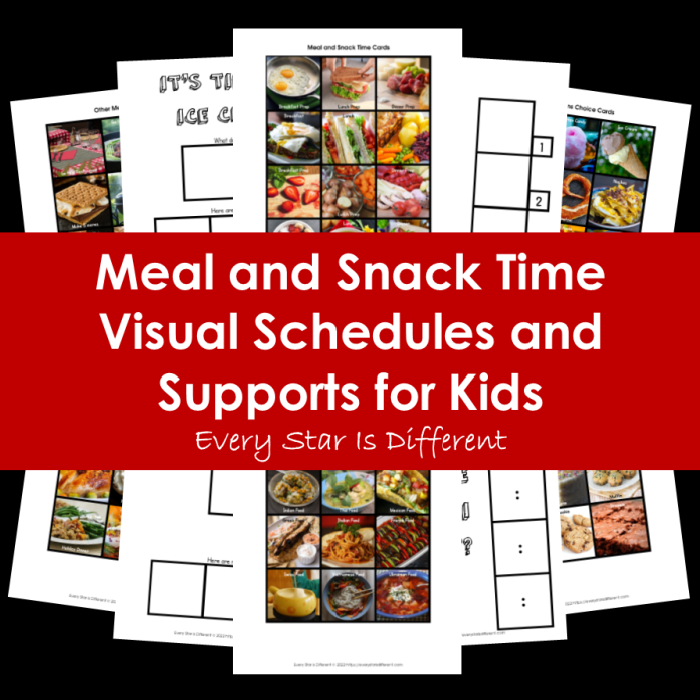
When Food is your Child's EnemyPractical Life with FoodMy Body Unit Day of the Dead Skeleton ActivitiesMeal and Snack Time Visual Schedules and Supports for Kids Montessori-inspired Self-Care: Nutrition Printable Pack

My Body: Digestive System and Nutrition Unit with Free Printables

Read More »

10 Ways to Help a Family with Special Needs

I received a message from my best friend this week.

"There have been several times when I've wanted to help your family, but didn't know how."

So many times people wish they could help a family with special needs, but have no clue what to do. 


It's a complicated subject.  


There may be special dietary needs.  


Behaviors may be extreme.  


What can one do that will actually help and not hinder things?

I used to have a list on hand in case someone asked, but times changed and it no longer fit the needs of our family.  


After the conversation with my best friend I realized that it's time for me to make a new list.  


There are people out there looking for ways to help, and quite honestly, I would be lying to say I don't need it from time to time.

10 Ways to Help a Family with Special Needs


Today, I share with you my list.  Here are 10 ways to help a family with special needs.  

Your list may be completely different than mine based on the needs of your family and what you feel comfortable with.  

It's my hope, that by sharing mine, you will be inspired to make your own.  

Because let's face it, we can't do what we do, day in and day out, on our own.  We need help.

10 Ways to Help a Family with Special Needs


1.  Meals & Groceries


When our kiddos are raging or having meltdowns, there's a good chance that a meal is going to be really late, which in turn causes more behavioral issues.  


Gift cards to restaurants that everyone, including Sunshine, can eat at are so helpful.  Currently everyone in the family loves Panera BreadChilisApplebees and Wendy's.  


Drop off or send paper plates, bowls, cups, and silverware. You will be considered a best friend for life.  No one has to worry about cooking or doing dishes.


An order of groceries is also so incredibly helpful. I keep an Eddy Family Grocery List on Amazon for anyone who wants to help with nonperishables. All of the items on this list are Sunshine diet friendly.


2.  Gas Card


We drive around a 12 passenger van in order to keep all of our children safe while traveling. A 12 passenger van allows Sunshine to have her own row.


Gas is expensive. Appointments and therapies are endless.


Gas cards are always helpful, as they help lighten the load.

3.  Outdoor Chores


It's hard enough to stay on top of in-house chores, but outdoor chores are neglected more than I'd like to admit, especially when more than one of the kiddos is having a hard day and it takes both parents to keep things going.

If we just happened to look outside and see someone mowing our lawn, raking leaves, or tending to other outdoor tasks, we would probably cry tears of joy, because it meant one less thing we had to fit into our day.

4.  A Stay-at-Home Date Night Care Package


We don't get out much. Finding babysitters that are familiar with and can handle Sunshine's needs is incredibly difficult. She can not be left home with siblings without two adults at home to supervise due to safety. 


Still we do try to have a weekly date night at home once the kiddos go to bed, especially after an incredibly difficult day when our brains just can't function anymore.

It's those occasions that we're always looking for a new movie to watch.  Pair it with yummy snacks and we're sure to get in couple's time and a little self-care.


The best way to go about this where we live is to combine a Red Box Gift Card to rent a movie and a Food Lion gift card for treats. 


5.  Support Our Business


When times are tough, getting work done is pretty much impossible.  


Even if we have time, our brains just aren't functioning enough to be productive.  


It's during these times that our business suffers and we beat ourselves up for not being able to be consistent.  


You see, blogging is all about how many page views you have each day, how many products you sell, and how many comments and shares you receive on posts that you write. So if you have a moment, it means more than you could imagine if you:

  • Share a blog post I've written on social media
  • Leave a comment on a blog post on social media
  • Pin a post to one of your personal Pinterest boards
  • Buy a product (My Shop)
  • Leave an amazing product review on TpT or the blog.
All of these gestures help keep us afloat when we don't have the time or energy to work due to issues related to special needs at home.  


It gives us a peace of mind knowing that behaviors won't interfere with our income.


6.  Gift Cards for Family Fun


Sunshine does best when she has something to look forward to. I do best when I can be spontaneous and shake things up a bit. The other kids LOVE it when we get to go and do something fun.


Gift cards to our local movie theater or drive-in, tickets to a local theater show or musical, or gift cards to local restaurants are so helpful.


Creating positive family memories, in the midst of chaos and madness helps to save everyone's sanity.


7.  Home Repair


My husband and I are not blessed with talents or knowledge in the areas of carpentry, plumbing, electrical, or any other home repair specialty.  


And even if we were, tending to Sunshine's needs takes all the time we have and home projects rarely ever are finished 100% of the way. 


There is always a home repair project left undone in this house.  Help with these tasks from a skilled worker who knows what they're doing is so wonderful.  


8.  Amazon Wish List Items


There is never a time when I'm not adding items to my wish list to help Sunshine and/or the other kids. 


Sunshine especially needs a lot of supports throughout her day, along with countless kits to use in different situations such as Dinomite's football games, stormy weather, long car trips, etc.


All of these expenses add up. We always welcome help in obtaining items that we're finding necessary to help Sunshine (and other siblings) be as successful and independent as possible.


We keep an Eddy Family Special Needs Wish List on Amazon to share when others offer to help.


9.  Sewing Projects


Confession:  I do not sew.  And even if I did, it's one of those tasks I never get to.  Ask my husband.  


If someone enjoyed sewing and wanted to volunteer to sew to take on a few sewing projects I need done,  I would probably kiss them.

10.  Bouquet of Flowers


There's just something about a bouquet of fresh flowers that can brighten up any day, especially if it includes red roses (my favorite).  


Live flowers change the energy in the house.  They're fragrant and beautiful to look at.  When I need to take a deep breath, what better way to do so than to take time and smell the roses.

The reason for having a list like this, is that those who want to help and can help in the ways you need, are able to do so.  And let's face it, parents of children with special needs do need help, especially when times are extremely difficult.

Some may think a list like this is silly or perhaps even selfish.  Don't listen to them!  


If you mention ideas from your list when asked, and people can't help or don't want to help in the ways you need, that's okay.  It doesn't mean they love you any less.  Don't be discouraged.  You've done your part.

It can be so hard to ask for help and at times even harder to receive it.  This may be the time when you need the service.  But know, there will be a time later, when circumstances are different.  You will be able to help others and pay it forward.

After my best friend talked about how she had been wanting to help but didn't know how. She asked me three questions.

1.  Where does my family like to eat?
2.  What do we order?
3.  What time do we eat dinner?

She had finally come up with a way to help and was so excited about it.  I began to cry.  To her it was a simple thing, but to me...  It was such an incredible gift.  


Dinner for one night means I don't have to worry about managing behaviors AND fixing dinner at the same time.  


On one of those days when I'm beyond exhausted, it means that I can rest, even if for just a little bit.

You have no idea how much helping a family with special needs can make a difference.  You will forever be considered an angel.

If you enjoyed this post, you may also enjoy the ones below.


What Is Reactive Attachment Disorder I Hate My RAD ChildOur Pediatric Mental Health Crisis A Safety Plan for Mental Health A Safety Plan for Mental Health Wha I'd Wish I'd Known About My Child's Mood Disorder Med Changes


10 Ways to help a Family with Special Needs


Read More »

Charting The ABCs of Behavioral Analysis (Free Printable)

We have found that charting the ABCs of Behavioral Analysis is very beneficial when helping our children with special needs or disabilities at home and in the classroom.  

It's been such a sanity saver.  

I love how it the process goes along with the Montessori Method of observing the child.

When a parent can understand the why behind the behaviors and respond appropriately it makes such a difference in daily functioning for all.

Charting the ABCs of Behavioral Analysis (Free Printable)

If you are not familiar with the ABCs of Behavioral Analysis, be sure to visit the post below to read excerpts from my new book explaining what it is and how to implement it.


The ABCs of Behavioral Analysis in the Montessori Classroom


The ABCs of Behavioral Analysis in the Montessori Classroom


If you are familiar with the ABCs of Behavioral Analysis and are looking for a printable to chart behaviors and patterns, look no further!  

Charting the ABCs of Behavioral Analysis


Download the free ABCs of Behavioral analysis printable and print out as many as you'd like. You can do so by clicking on the link at the bottom of this post.

Store all copies in a binder and use them to find patterns in your child's behavior. 

Information recorded can also be used for documentation when working with doctors, specialists, therapists, etc.

This free printable is being given in conjunction with the release of my new book, The ABCs of Montessori and Special Needs.  The book is available now in ebook and paperback forms.  Just click the link below to purchase your copy today.

Book:  The ABCs of Montessori and Special Needs

The ABCs of Montessori and Special Needs


When we understand the behaviors of our child with special needs and respond appropriately, we can help our child succeed in ways that were never possible before.

For those who are looking for more resources to help in understanding a child's behavior, be sure to subscribe to our free newsletter by clicking the link below.


Don't forget your free printable!


If you enjoyed this post, you may also enjoy the resources below.

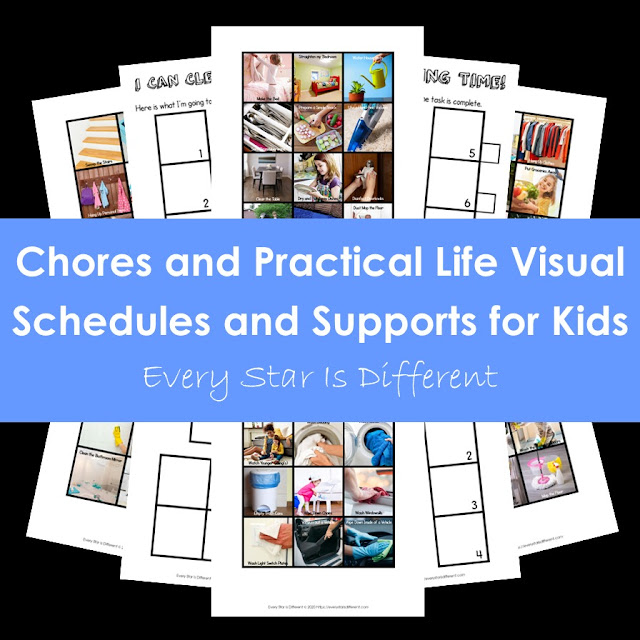
How to Make an Apology for for Kids Physical Boundaries and Consent Anger Management for Kids Four Prompts to Encourage Mindfulness in Children 4 Steps to Managing Aggressive Behavior in Children Montessori Three Period Lesson Visual Morning and Bedtime Routine Visuals and Supports Chores and Practical Life Visuals and Supports Outdoor Visuals and Supports Meal and Snack Time Visual Schedules and Supports for Kids


Charting the ABCs of Behavioral Analysis (Free Printable)

Read More »

Autism and Montessori Practical Life at Home

Implementing the Montessori Method at home with a child who has autism can be challenging depending on the child's sensory needs and behaviors.  

Practical Life oriented tasks can be particularly difficult due to delays in fine motor and lack of adaptive skills.

Recently I received an e-mail from a parent asking for help when it comes to Autism and Montessori Practical Life at Home.  This is my response.

How to help a child with autism be successful with Montessori Practical Life tasks at home.

Disclaimer:
  The information in this post can not be considered a form of professional help.  In no way am I giving health advice.  My knowledge of special needs and Montessori comes from my experiences, training, and research related to my own family circumstances and situations.  I do not have a degree or professional training in any area related to special needs or Montessori.


When attempting to help a child with autism succeed in the completion of Montessori Practical Life tasks at home, it can be very helpful to work through the five steps mentioned below.  At times only one or two steps is needed to make necessary changes.  Other times, a parent may need to work through every step.

Five Steps to Improving Montessori Practical Life Experiences at Home


1. Understand the Behaviors

Every behavior has a purpose as said by the author Barry M Prizant in his book Uniquely Human.  If your child is acting out or refusing to complete Practical Life tasks at home, implement and/or review the The ABCs of Behavioral Analysis.

Chart your findings using our subscribers only freebie.  Once you understand the behaviors and implement this method, you may be able to make all of the necessary adjustments your child needs to succeed.  If you're still struggling, move on to step two.

2. Understand the developmental age of the child

The developmental age of a child with autism often does not match his chronological age.  In many instances there is a gap.  

If there are delays in development, the child's adaptive skills will reflect that.  

Adaptive skills are crucial to progression through the Montessori Practical Life curriculum, whether at home or at school.

Evaluate and understand your child's adaptive functioning.  

If your child is eight years old, but functioning at the age of a six year old, you will want to make sure that Practical Life tasks at home are appropriate for a six year old.  

Those that are more difficult can result in behavioral issues.

If you have applied the results of charting the ABCs of Behavioral Analysis and made sure that Practical Life tasks are developmentally appropriate for your child and you're still having troubles, move on to step three.

3. Create a Child Led Plan to Enhance the Experience

Autistic children can often struggle with adaptive skills and motor skills, which result in struggles while completing Practical Life activities at home and school.

If you observe that a child is struggling with a specific Practical Life task, sit down with the child and ask how you can help.

Why is the task so hard?

If the child is able to express the reasons for difficulties, ask how you can help.

Ask how you can make the experience of completing a Practical Life activity special.

Listen to your child.

Make a plan with the child, that is initiated by the child, to help enhance the Practical Life experience.

If the child can not speak, do your best to observe the child to determine pitfalls and incorporate things the child enjoys into the Practical Life activity.

4. Break down tasks into simple steps

A child with autism often becomes overwhelmed easily when presented with large tasks.  Please be aware that what a parent may consider to be a small task can often be a large task in the child's eyes.  

If you notice your child is overwhelmed or acting out, refusing to complete a task, try to break it down into smaller steps.  This process helps the child focus, succeed, and leads to a willingness to complete the task in the future.

Depending on the developmental age of the child, one of the smaller tasks may be all the child is capable of completing on his own at this time.  

Add steps slowly when the child has mastered the previous step.  

This will help the child feel capable and successful, which can be it's own incentive and lead to a desire to complete similar tasks independently.

If you've implemented steps one through four and still struggling, consider step five.

5. Eliminate the stress factor

It's so easy to become wrapped up in making sure the child completes the task on his own in a timely manner. At times this can lead to contention and disagreements, which are completely avoidable.  

Try to focus on what you want accomplished, which is usually the task at hand.  This can occur in more than one way.  

The child can complete the task himself or you can help the child, thus eliminating unnecessary meltdowns etc.  

Avoid the stress factor if you can.  By doing so you may eliminate several scenarios where tasks turn into battles for control, meltdowns, rages, etc.

In our home we have found implementing the 5 Steps of Improving Montessori Practical Life Experiences at Home crucial to our kiddos' success.  

Every child has the desire to be independent and successful.  

If a parent can observe the child, understand the behaviors, and put the necessary supports in place to help, Montessori Practical Life tasks at home can be completed successfully.

If you enjoyed this post, you may also enjoy the posts below.
It's Time to Have a Serious Talk About AutismHow to Help Your Autistic Child Play Board Games Successfully How to Help My Child Want to Try New Foods
How to help a child with autism be successful with Montessori Practical Life tasks at home.

Read More »

The ABCs of Behavioral Analysis in the Montessori Classroom

Understanding and analyzing the behaviors of a child is of the utmost importance for everyone involved. This is easier said than done. 

Every child is different, even those with the same disabilities and diagnoses.

As mentioned in one of my favorite books, Uniquely Human by Barry M. Prizant, all behaviors have purpose. 

Once a teacher understands the meaning behind the behaviors, she can provide supports necessary for him to be successful. 

A teacher can do this by using The ABC's of Behavioral Analysis in a Montessori Classroom.


The ABCs of Behavioral Analysis in the Montessori Classroom and free printable

The ABCs of Behavioral Analysis in the Montessori Classroom.


As part of our training, we were taught the ABCs of Behavioral Analysis. This process has helped us significantly in developing ways for our children to be successful in the Montessori home and classroom environment.

A is for the Antecedent


  • What is happening right before the behavior occurs?
  • What was the trigger? 

Take time to analyze each situation. Break situations down into observable, measurable actions. Record the events leading up to the undesired behavior. 

If there is no obvious antecedent for a behavior, or if the child responds inconsistently to a specific antecedent, ask the caregivers about behaviors at home. Learn more about the child’s physical, mental, emotional, and psychological state.

Sometimes, an explosive behavior may seem to arise out of nowhere because the child is still worked up over something that happened earlier in the day or an event in the more distant past. 

This information can help the teacher look for warning signs before things escalate, providing time to choose an appropriate response to the behavior.

B is for the Behavior


  • How is the child responding to the antecedent?
  • What is the child doing?

Once the teacher connects the behavior with the antecedent, she can begin to identify patterns. These patterns can help the teacher decide how to intervene. 

She might teach a child different coping mechanisms and ways of communication that are more productive. 

Or she can also make modifications to the physical environment that might prevent the antecedents from occurring.

If a teacher is working with a child who is particularly challenging, she can use the ABCS of Behaviors Analysis to chart positive behaviors and learn what makes the child comfortable and happy. 

Over time the teacher will see patterns that will help her know how to make learning experiences more positive.

C is for Consequence


  • The consequence is the way in which an adult responds to the behavior

The teacher’s response to the child’s behavior ultimately determines how the situation is resolved. 

Choosing consequences that help the child meet his needs without reinforcing the negative behavior is key. 

If the consequence is appropriate, the child will have learned something new and feel empowered to do better. If the consequence is given inappropriately or reinforces the negative behavior, no progress will be made.

Documenting the ABCs of Behavioral Analysis has affected our home and classroom for the better, more than any other intervention we’ve tried. 

If the teacher understands the needs and the struggles of the child, she can develop ways to help him.

Take the time to document each time a behavior occurs using our free printable.  Look for patterns. Once patterns are identified, create a behavior plan that will help the child be successful. 

If the teacher can not find patterns and responses that are inconsistent at best, it’s time for further investigation into the emotional health of the child.

Reasons for Behaviors


The teacher may observe reasons why the child responds to situations in the way that he does. Some of these may include:

  • Inability to communicate appropriately
  • Transitions
  • Noncompliance (The child refuses to do what’s asked of him.)

Inability to Communicate Appropriately


A child with disabilities may lack the ability to communicate appropriately in social situations. Instead of using words in response to the action of another, he may display negative behaviors.

When a teacher observes these occurrences and notices patterns using the ABCs of Behavioral Analysis she can begin to provide resources for the child to help him be successful when communicating with others. 

As the child learns to communicate effectively, behaviors will diminish and everyone involved feels successful.

Transitions


A transition is the time between the end of one activity and the beginning of another. A child with disabilities may struggle with transitions, resulting in some pretty significant behaviors.

As the teacher analyzes the child using the ABCs of Behavioral Analysis, she can observe where he has difficulties transitioning, and put proper supports in place to help during those times. 

Supports may include timers, auditory prompts, a visual schedule, and structuring preferred activities after non-preferred activities to provide incentive and reinforcements. Over time, when proper supports are put in place, the teacher will see a decrease in behavioral issues.

Noncompliance


At times, a child with disabilities may display inappropriate behaviors because he doesn’t want to do what’s asked of him. In these cases, it’s extremely important to analyze what it is he doesn’t like and respond appropriately.

If the requested task is something that’s mandatory, it will be important that the response to the behavior is consistent, appropriate, and does not reinforce the noncompliant behavior. 

If the teacher has flexibility in what’s asked, it’s important to remember that the main goal of behavioral analysis is to help the child be successful. 

The teacher can alter her request to ensure that the child feels empowered with choices, while reducing his noncompliant behaviors.

The teacher may continue to find unexplained difficulties with noncompliance if the child has a mood disorder or a trauma based disorder. 

In these cases, constant communication between the parent and teacher is crucial. At times medical intervention will be necessary. 

Once the child is stable, success is possible in the Montessori classroom setting. It just may take far more time than the teacher would like.

Behaviors in a Montessori Classroom


The ABCs of Behavioral Analysis work extremely well in a Montessori classroom as the teacher is constantly observing the child and following his interests, abilities and desires related to learning. 

In many instances behaviors improve through simple modeling and explanations. This occurs as the teacher presents Grace and Courtesy lessons in the classroom.

Grace and Courtesy lessons consist of instructions on social etiquette, manners, and appropriate behavioral responses to various situations in the classroom as they arise.

Transitions are minimal in a Montessori environment, as the child selects his own work and completes tasks at his own pace. 

Required transitions within the classroom are routine and expected. Experiences outside of the classroom are planned in detail before they are carried out, providing opportunities to address difficulties with transition.

Noncompliance is also minimal in a Montessori environment as the child selects his own work. The Montessori classroom supports a child’s need for control over his actions.

Tips for Montessori Teachers


1. It is important to remember that a child with disabilities may not remember from day to day, or hour to hour what they are “supposed” to do regarding social skills and behaviors in the classroom. Grace and Courtesy lessons may need to be presented several times.

2. Grace and Courtesy lessons may require visuals and hands-on materials to help the child learn. Once a child knows what to do, applying that knowledge can be extremely difficult. He may require more prompts, visual cues, and/or hands-on materials in order to be successful.

3. The abilities of a child may change often based on issues with sensory stimuli, self-regulation, triggers, and more. A child with disabilities may struggle to generalize skills. 

Don’t assume that because a child did well with a concept one day, he’ll do just as well the next. That’s rarely the case. Be patient.

4. If a child struggles with noncompliance in the classroom, it’s important to understand why the child is acting out. There are very few reasons why a teacher might run into this issue. Here are a few questions to reflect on.

  • Are works on the shelves boring or too easy?
  • Are the works too difficult?
  • Is the child over stimulated and/or unregulated?
  • Has the child been triggered emotionally in some way?
  • Is the child struggling with issues not related to the classroom such as problems at home, emotional disability, etc.?

5. If a child has been triggered emotionally, preferred activities may help. If not, try time in the Peace Corner with preferred sensory stimuli until the child is calm.

If you enjoyed reading this article, you may also enjoy the ones below.
Montessori Three Period Lesson Visual Prompts Free Printable

A Day in the Life of a Montessori Family with Special Needs

Our Montessori homeschooling fallback plan when life happens.

Every Star Is Different Montessori-inspired thematic unit study free printable page.

The ABCs of Behavioral Analysis in the Montessori Classroom with free printable.
Read More »